

Introduction to the quality characteristics of Fuding White Tea?
Author:
Release date:
2022-11-18
Fuding white tea boasts a naturally elegant, ribbon-like shape reminiscent of phoenix feathers. Its color beautifully combines green hues with a subtle golden sheen, giving it a lustrous, oily appearance. In particular, the tea leaves are slender and delicate, gracefully resembling phoenix feathers—vibrant yet soft, with a bright yellow-green tone that glistens with rich, natural glossiness. Now, let’s dive into the quality characteristics of Fuding white tea!
Fuding white tea is celebrated for its "silver-wrapped" beauty—its plump, fragrant buds exude a rich floral aroma, while the liquor boasts a bright yellow hue and delivers a fresh, mellow flavor. The delicate, even leaf base retains its tender texture even after brewing. When sipped, this tea is nothing short of exquisite and delightful. Depending on the specific tea variety and the meticulous standards applied to the freshly picked raw materials (typically young leaves), Fuding white tea can be categorized into five distinct types: Bai Hao Yin Zhen, Bai Mu Dan, Quancheng Hong, Quancheng Lv, Gong Mei, and Shou Mei. Among these, Bai Hao Yin Zhen—commonly known simply as "Yin Zhen"—is perhaps the most renowned. It’s also referred to as "Bai Hao," thanks to its dense, silvery-white down that gives it both its name and its signature appearance. This tea enchants with its crisp, refreshing fragrance, pale yellow liquor, and remarkably smooth, savory taste. Often dubbed the "beauty" or even the "king" of white teas, it’s a favorite among connoisseurs. On the other hand, Bai Mu Dan stands out for its unique charm: its lush green leaves encircle a pristine, silver-white heart, resembling blooming flowers in full bloom. After brewing, the vibrant green leaves gracefully cradle the tender new buds, creating an image reminiscent of delicate, unfolding blossoms—a visual and sensory delight that has earned it widespread acclaim. Today, Fuding white tea is primarily crafted from the short, tender buds and young leaves of either the Da Bai tea tree or the Shui Xian cultivar, typically featuring one bud paired with one or two leaves. This method ensures the highest quality and character of the final product. Lastly, Gong Mei, also known as Shou Mei, is another prized variety of white tea, renowned not only for its exceptional flavor but also for its remarkable yield. In fact, Gong Mei accounts for more than half of all white tea produced, making it a cornerstone of the region’s tea industry.
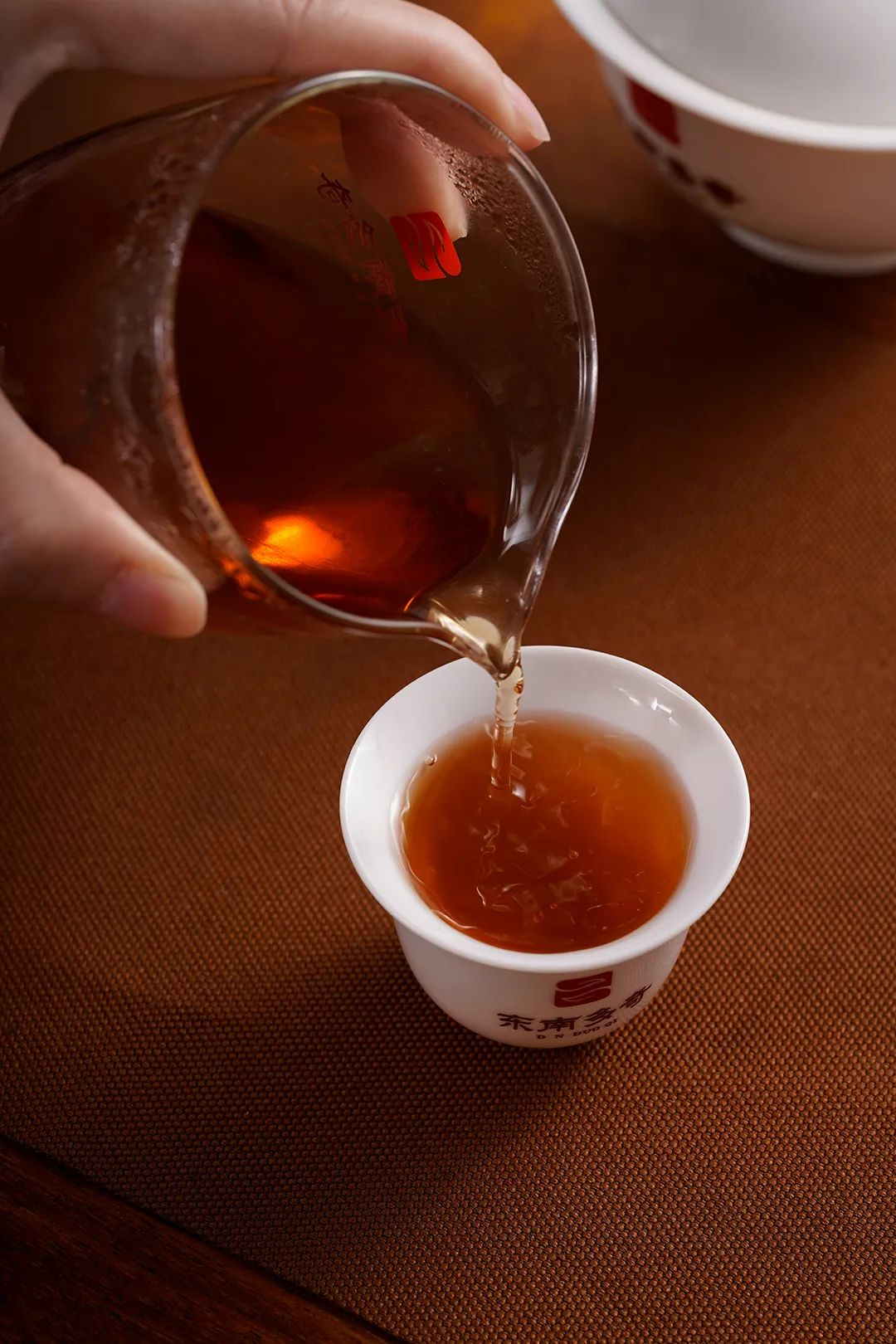
In fact, this tea is primarily made from the buds and leaves of the plant Camellia sinensis. The raw, unprocessed tea crafted from these botanical tea buds is known as "Xiao Bai," distinct from both Fuding White Tea and Zhenghe Tea, which are made from different varieties of tea bud and leaf. Historically, the tea buds harvested earlier were used to produce premium white teas like Bai Hao Yin Zhen. Later, "Da Bai" raw tea became the base for creating Bai Hao Yin Zhen and Bai Mu Dan, while "Xiao Bai" was reserved for crafting Gong Mei. Today, however, most "Xiao Bai" tea undergoes a light processing step after withering—specifically, the Fuding White Tea leaves are gently twisted into semi-curl shapes, resulting in a dark green hue tinged with brown. It boasts an intensely fragrant aroma, and its liquor shares similarities with green tea in color and taste, yet carries a subtle, mellow sweetness reminiscent of black tea—though unlike fully fermented black teas, it remains non-fermented, offering a rich and complex flavor profile. Thanks to its tightly rolled, well-formed appearance, this tea is often preferred by consumers over Gong Mei, as it delivers a bolder, more robust flavor and a deeper, richer liquor color. When brewed, it tends to have a lighter, more delicate taste, typically requiring just 3–5 grams of tea leaves per 150 ml of water. To achieve the ideal infusion, maintain the water temperature between 90°C and 100°C. Of course, mastering the brewing time is equally important—aim for around 5 minutes before straining and serving the tea directly into your cup. Interestingly, Fuding White Tea can be re-steeped up to four or five times without losing its delightful character. To ensure consistent quality, our company operates a state-of-the-art tea-processing facility spanning 4,800 square meters, complemented by a dedicated tea-production demonstration base covering over 4,000 mu of land.
The article above introduces you to the unique quality characteristics of Fuding White Tea. Feel free to read it carefully—there’s still plenty more information available on this topic. We’ll continue updating you with new insights in the future. If you have any questions, don’t hesitate to reach out. And whether you’re a new or existing customer, we’d love for you to visit our company anytime to explore our equipment and find the perfect match for your needs!


Previous article
How to store Fuding white tea?
Next article
Any information about Fuding white tea?
Related News
2023/08/26
2023/08/16
2023/08/06
Contact Us
Address: Mayang Village, Diandou Town, Fuding City, Fujian Province
Scan to follow our WeChat official account
Scan to access the mobile version
Copyright © Fuding Dongnan Duoqi Tea Industry Co., Ltd. SEO Cityproducts Privacy Policy
Powered by www.300.cn