

How should you build a tea brand? Tea brand franchise manufacturers have the answers for you.
Author:
Release date:
2022-08-30
Tea Brand Franchising Manufacturers believe that a great tea brand must first deliver consistent, high-quality products—not just for a year or two, but over the long term. When this brand is mentioned, people immediately think of its exceptional quality, which naturally leads to positive word-of-mouth and fosters a strong sense of trust. To achieve all this, a brand needs reliable sources of premium raw materials, cutting-edge production techniques, effective management practices, and innovative marketing strategies.
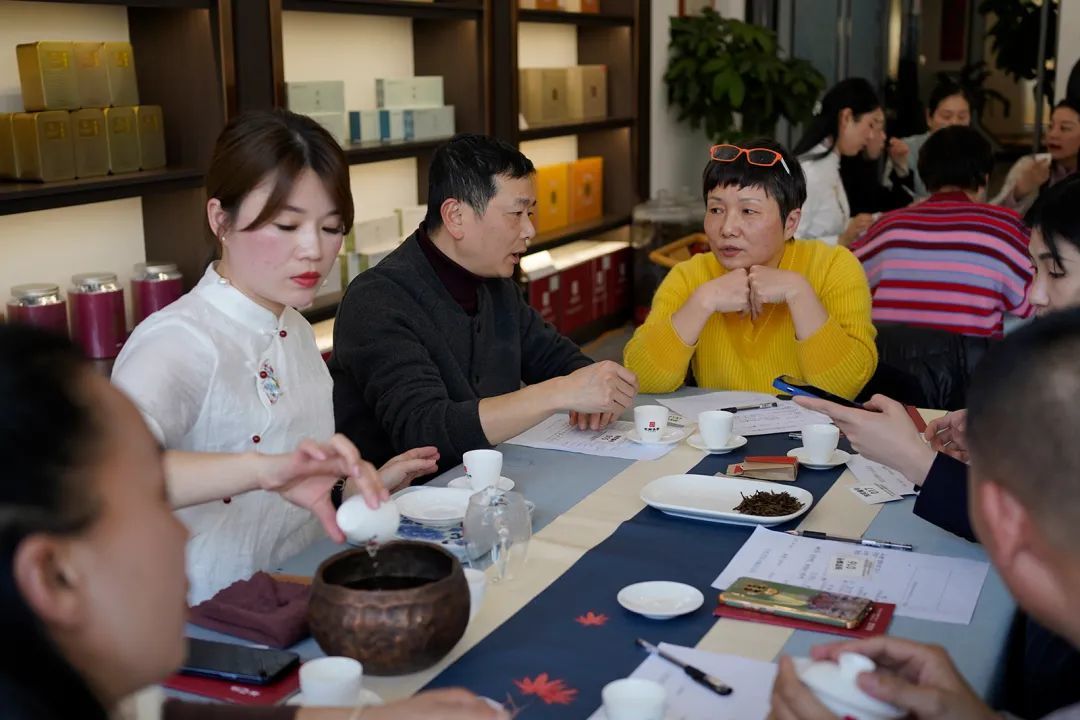
Tea Brand Franchising Manufacturers categorize the tea market broadly into two segments: premium and mass-market. The tea market is relatively fragmented, which actually reflects a key characteristic of the premium segment. After all, it’s only discerning high-end consumers—those with a refined palate for tea flavors and a deep appreciation for tea culture—who truly pay attention to and seek out renowned tea products. While the premium market is highly segmented, it also remains vulnerable to broader economic and consumer trends, making substantial growth challenging in the long run.
Tea Brand Franchising Manufacturers believe that to succeed in e-commerce, the first step is to deeply understand the psychological traits of consumers born in the 80s and 90s—grasping their joys, concerns, and emotions—in order to create products that resonate with them. For this demographic, the quality of the tea itself isn’t the main focus; instead, it’s the experience of drinking tea that matters most, as it helps shape their emotional state. A key distinction from traditional tea product packaging lies in the fact that e-commerce offerings demand eye-catching designs, cute imagery, and stronger emotional appeal. At the same time, the overall customer experience and service must be exceptional—think generous giveaways, comprehensive after-sales support, and frequent holiday promotions to keep customers engaged.
Tea Brand Franchising Manufacturers view tea as a product with high profit margins. High profitability indicates that tea carries significant added value, which in turn appeals to consumers' deeper psychological needs. Tea culture plays a crucial role in enhancing this added value, so tea products should be closely tied to the cultural traditions they represent. For instance, traditional teas resonate with classic cultural values, while "small but sophisticated" styles cater to the tastes of those born in the '70s, fresh, modern aesthetics speak to the '80s generation, and playful, trendy designs capture the charm of the '90s—and these are all reflections of evolving cultural trends. A popular saying in the tea industry goes: "When brewing tea, focus on tea culture—but never let it overshadow the tea itself." In other words, while tea culture is essential for elevating a product's appeal, it shouldn’t dominate to the point where consumers become more interested in the cultural narrative than in the tea itself. After all, tea culture should serve the purpose of boosting sales; if cultural promotion fails to drive actual consumption, it’s considered a missed opportunity.
Before building a brand, it’s essential to clearly define the attributes and features of your existing products, highlighting how they differ from other tea brands—and to pinpoint your brand’s unique positioning (e.g., market positioning, consumer targeting, pricing strategy, etc.). Once the positioning is clear, it’s time to focus on brand packaging. Simply put, this means crafting a compelling "story"—the very essence of your brand’s culture, such as your brand narrative, memorable advertising slogans, or an engaging brand overview.
Tea Brand Franchising Manufacturers believe that visual packaging designs—such as logo design, VI design, packaging design, posters, and brochures—are all crafted to help consumers develop a more intuitive and clear understanding of the tea brand, making it easier to promote and build stronger connections with existing customers, ultimately sparking their purchase intent. Once the visual system is established, it will be promoted through various channels, including online platforms, social media, and offline marketing initiatives, effectively expanding and enhancing the brand’s image. Moreover, corporate culture design is considered an intangible asset for businesses, while the brand itself represents the company’s most valuable treasure. Building a strong brand is critical to a company’s long-term growth, as it paves the way for the development of future sub-brands.


Related News
2023/08/26
2023/08/16
2023/08/06
Contact Us
Address: Mayang Village, Diandou Town, Fuding City, Fujian Province
Scan to follow our WeChat official account
Scan to access the mobile version
Copyright © Fuding Dongnan Duoqi Tea Industry Co., Ltd. SEO Cityproducts Privacy Policy
Powered by www.300.cn